Outside Activity Ideas That Actually Work (and Keep Kids Busy Longer)
At some point in the day, most kids end up standing at the door or wandering the house asking, “What can I do?” It usually happens after they’ve already moved through toys, snacks, screens, and everything else inside the house has to offer.
And still, they are looking for the next thing. It is not really that there is nothing to do. It is that they are waiting for direction, for someone to suggest what comes next. And if we are honest, that someone is usually us.
Here's what we're talking about...
If you’re looking for outside activity ideas that actually hold their attention (so you can get a few minutes of breathing room), you’re in the right place.
This is exactly the moment when getting outside changes the rhythm of the day. The moment they step outside, the expectation shifts. They are no longer looking for the next idea to be handed to them in the same way, and they tend to settle into what is already there.
Why Outside Changes the Way Kids Play
Outside shifts kids from passive to active — instead of waiting for the next thing, they start creating it themselves.
A lot of us grew up going outside in the morning and not coming back in until it got dark. Things look different now, but most of us still want the same thing for our kids. More time outside, more fresh air, more time in nature.
Have you ever noticed that kids can spend forever outside doing something that seems incredibly simple? Digging, collecting sticks, moving rocks from one spot to another. Things we might not think twice about.
They don’t seem bored like they often do inside. They just keep going with what’s already there and stay with it much longer than most indoor activities hold their attention.
That’s one of the things I love most about outside play. It gives kids space to build their own ideas instead of constantly waiting for the next thing to be planned for them. If you want to see this kind of open-ended creativity in action with younger kids, invitations to create tables for preschool classrooms show how the same principle works beautifully indoors too.
[Read: Why Playing in the Dirt is Good for Kids]
Outside Activity Ideas That Actually Hold Their Attention
The good news is that the best outdoor play activities for kids are usually the simplest ones.
Some kids head outside and instantly come up with ten different things to do. Others stand there and tell you they’re bored before they’ve even left the porch.
That’s okay. Sometimes kids just need a little idea to get them started. The nice thing is that getting outside doesn’t have to be complicated. You don’t need a huge yard or expensive outdoor toys.
Chalk on the Driveway
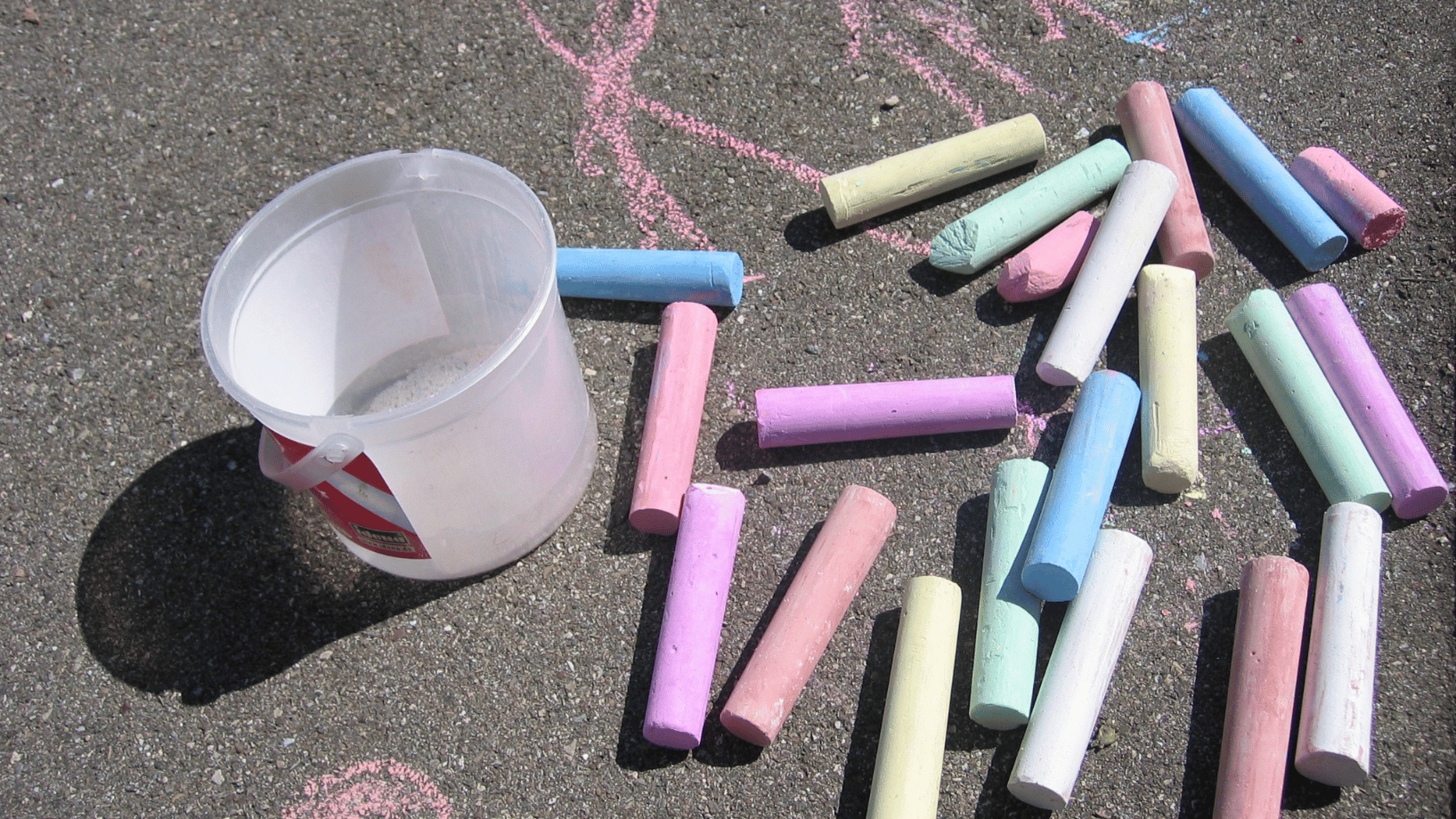
Chalk is one of those simple outside tools that doesn’t need much direction. You can set it out and give a loose idea, or just hand it over and see what happens.
Sometimes we’ll draw roads for cars or trucks and the kids will build on it, adding parking spots, ramps, or “cities” that spread across the driveway. Other times it turns into shapes, hopscotch boxes, or just a big open space for drawing whatever they want.
And honestly, a lot of the time I don’t even suggest anything anymore. Once they start, they usually take it in a completely different direction and stay with it much longer than if I tried to guide the idea.
Water Play
There is something about water that keeps kids interested longer than almost anything else. It doesn’t have to be a fancy water table or a Pinterest setup, either.
A bucket of water, a few measuring cups, paintbrushes, a sponge, or even a spray bottle can keep kids busy for a surprisingly long time. They’ll wash toys, paint the sidewalk, fill and dump containers, make “potions,” or come up with games you never would have thought of.
If it’s a hot day, turn on the sprinkler or let them wash bikes, outdoor toys, or the patio with a sponge. If it’s cooler outside, a small tub of water on the porch is often enough.
The best part is that water play doesn’t require much direction. Give them a few simple supplies and step back. Kids naturally experiment, create, and stay engaged because there’s no right or wrong way to play.
Nature Scavenger Hunt
Kids don’t always need a printed scavenger hunt. Sometimes simply asking them to find something red, something rough, something that flies, or three different kinds of leaves is enough.
Looking closely at what’s around them naturally slows kids down. They notice bugs, flowers, birds, rocks, and things they would normally run right past.
If they enjoy collecting treasures, let them bring home a few interesting rocks, pinecones, or leaves to examine later. The activity continues long after they come back inside. For more structured seasonal outdoor play, preschool fall activities are a great place to find ideas that work well outside too.
Ride-On Toys
Bikes and scooters are some of the best fun outdoor activities for kids in summer because they naturally turn into imaginative play.
Most kids won’t just ride in circles. They’ll create obstacle courses, pretend they’re delivering mail, race siblings, or invent an entire story around where they’re going. That’s the beauty of open-ended outdoor play!
Adding sidewalk chalk roads, cones, or a few pool noodles can make the activity feel brand new without buying anything else.
Loose Parts Play and Why It Works Outside
One of the easiest ways to encourage outdoor play is to put out materials that don’t have one specific purpose.
Think buckets, sticks, rocks, logs, cardboard boxes, flower pots, PVC pipes, old kitchen utensils, toy animals, or pieces of wood.
Kids naturally combine these materials into forts, restaurants, construction sites, obstacle courses, or completely made-up worlds.
Loose parts encourage imagination because the toys don’t tell kids what to do. They have to figure it out themselves, and that’s where some of the best play happens.
Keep a Simple Outdoor Bin
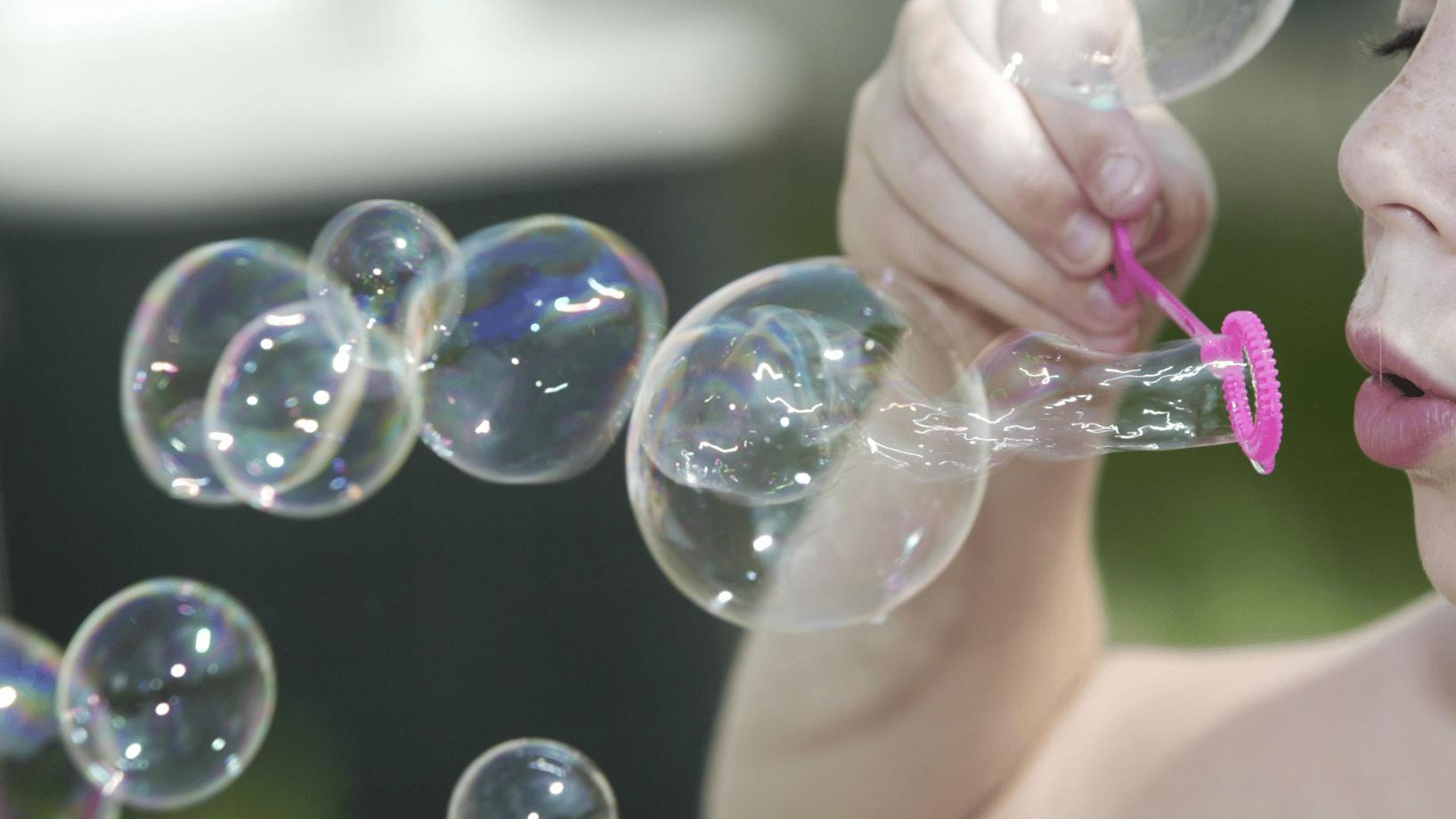
You don’t need a backyard full of toys. Fill a bin with a few favorites like balls, bubbles, sidewalk chalk, jump ropes, or bug-catching supplies. Rotate items every week or two, and they’ll feel new all over again.
How Do You Get Kids Outside Without the Pushback? {#how-do-you-get-kids-outside-without-the-pushback}
Most of the pushback doesn’t actually happen once kids are outside. It happens right before that. Getting shoes on, turning off the TV, pausing whatever they’re doing, and deciding it’s time to go. That’s usually the part that drags out or turns into a back and forth.
But once they’re actually outside, things usually shift pretty quickly. They find something to do, start moving, and suddenly it’s not a big deal anymore.
[Read: Avoid Summertime Screentime Battles]
Skip the Question
“Do you want to go outside?” usually opens the door to negotiation. It turns into a yes or no moment that kids feel like they can debate.
Instead, keep it simple and matter of fact. “Put your shoes on and grab your water.” Or “We’re going outside for a bit.” The less it feels like a decision, the smoother the transition usually goes.
Make It Part of Your Routine
Outside time works best when it isn’t treated like a special activity that has to be planned or agreed on. When it becomes part of the natural rhythm of the day, there is less pushback.
After breakfast. After lunch. Before dinner. Whatever actually fits your family’s flow. It doesn’t have to be the same exact time every day, but having a loose rhythm helps kids expect it instead of resist it.
Most of the time, it’s not about convincing them to love going outside. It’s just about making it the next thing that happens.
How to Help Kids Stay Outside Longer
Keeping kids outside longer usually comes down to a few small shifts, not bigger activities or more toys.
This is usually what parents are really noticing. Not whether kids will go outside, but whether they actually stay engaged once they’re there.
One thing that helps is not constantly adding new ideas once they’re outside. It’s really tempting to keep suggesting things or trying to guide the play, but every new idea pulls their attention back to you instead of what they’re already doing. Most of the time, they’re actually fine once they settle in.
It also helps to keep simple things like water and snacks easy to access. A lot of the “I’m done outside” moments aren’t really boredom. They’re just kids needing a quick reset or something basic like a drink or a snack.
Another simple shift is rotating what’s available. You don’t need a lot of outdoor toys or anything new. In fact, leaving everything out all the time usually makes it less interesting. When a few things disappear for a bit and then come back, they feel new again without you having to buy anything.
At the end of the day, most kids don’t need more structured activities outside. They just need enough space and time to stay with one thing long enough to actually get into their own play.
Outside naturally gives them that. Not perfectly and not every time, but often enough that you start to notice the difference in how the day feels.

Leave a Reply